How to Vote in a Participatory Budgeting Process in Your City
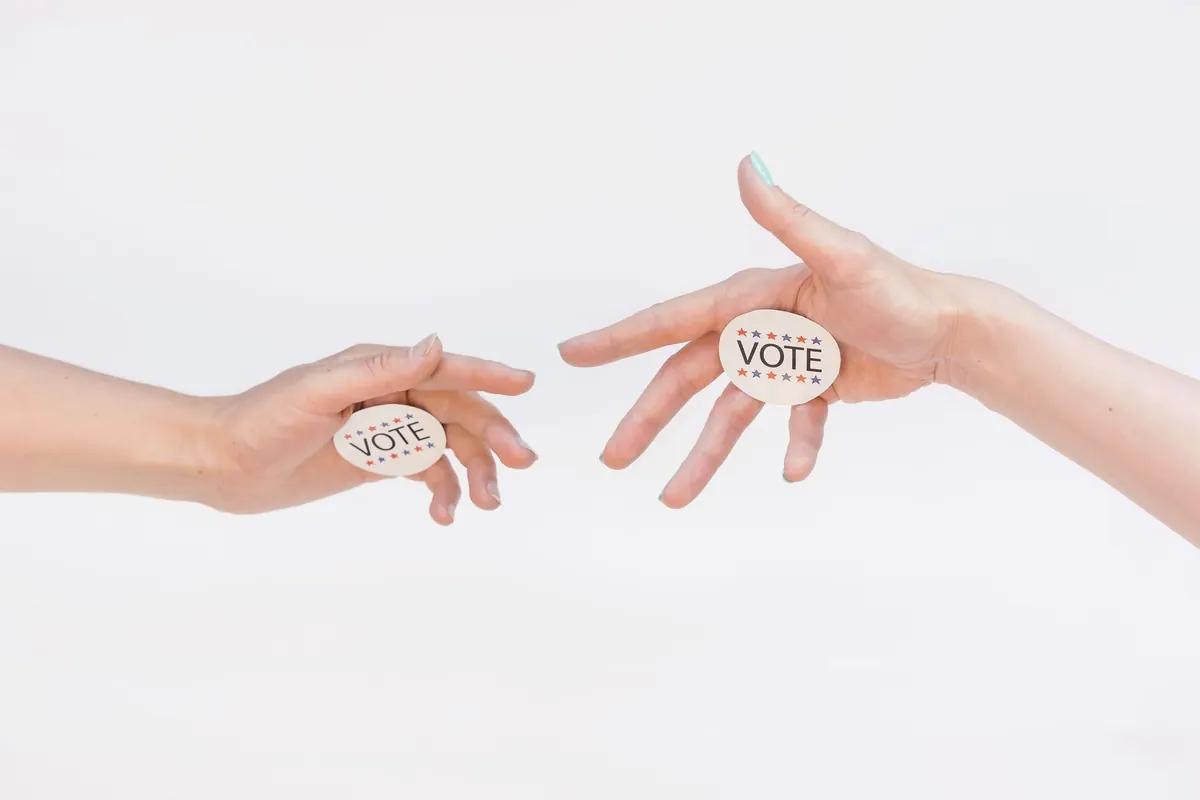
The first time most people hear about participatory budgeting, it's usually through a neighbor: real public money, real projects, and residents deciding which ones get funded. Then the voting window opens and the details get fuzzy. Where are the proposals? Are you allowed to vote? Does it still count if you moved two months ago?
Here is the practical version, from finding the proposals to watching your ballot turn into something built on your street.
Participatory budgeting goes by several names. You might see it as PB, "You Decide," "Community Choices," "The People's Budget," or a youth budget with its own separate pot. The name matters less than the scope: some programs cover the whole city, some run only in certain council districts, and some are limited to a single category like parks, street safety, or school improvements.
Start with the city's own website and search for "participatory budgeting." If nothing useful appears, call the city clerk's office or your district council member and ask a direct question: is there a participatory budgeting process running this year, and who administers it? Libraries, community centers, and neighborhood associations often have the current cycle's flyer pinned to a board.
One caution. Don't trust a blog post or a news story from three or four years ago. Cities pause programs during tight budget years, change the rules, or shift to a different name. Confirm the current cycle before you spend an evening reading proposals.
Most ballots carry somewhere between a handful and a few dozen proposals, and each one usually comes with a short description and a cost estimate. Skimming them well is a skill, not a chore.
If a proposal is vague, treat that as information. Vague projects tend to stall later, when someone has to decide what exactly gets built.
This is where participatory budgeting surprises people, in both directions. Rules vary widely by city. Some programs allow residents as young as 14 to vote; others require you to be 18. Some count anyone who lives in the district, including renters and people without citizenship documents. Some restrict voting to a specific age group, a specific neighborhood, or students at particular schools. A few let people who work or own a business in the district vote too.
Because the rules differ so much, read the official eligibility page rather than assuming you're out. Participatory budgeting is generally designed to be more open than a general election, and cities often add in-person registration to catch people who aren't on any voter roll. If the wording is confusing, call the program office and ask. A two-minute phone call beats showing up on the last day to find out you needed to register earlier.
Many cities let you register and vote in the same sitting, which is the main reason turnout in these programs can be higher than people expect. Have a few things ready before you start:
If something doesn't match — you moved recently, your mail goes to a different address, your name is spelled two ways across documents — call the program office ahead of the deadline. Staff can usually sort out a mismatch in a day. Waiting until the final hour is where people get stuck.
Voting itself is quick. Getting the format right is the part that trips people up.
If you need language support, a ride, or help with a disability accommodation, ask early. Programs that run pop-up voting usually have someone who can arrange it, but not on an hour's notice.
Results usually arrive a few weeks after the window closes. Winning projects then enter the city's budget process, which is slower than most people expect — a funded project can take a year or more to design, bid, and build, and some get scaled back along the way. Follow the project page or ask the program office for updates rather than assuming silence means cancellation.
If your favorites didn't win, don't write off the process. The proposal phase is where the real leverage sits, and it usually opens months before voting. Bring an idea, gather a few neighbors, and get it onto next cycle's ballot. Many cities also need volunteers to review proposals or staff voting sites, which is a fast way to learn how the money actually moves — and to make sure your neighborhood shows up next time.
Photo: Mikhail Nilov / Pexels
Previous Post
How to Run a Neighborhood Air Quality Monitoring Project with Low-Cost Sensors
Next Post
Adaptive Traffic Signals Explained: How AI and Sensors Reduce Wait Times