Smart Waste Management 101: How Sensors and Routes Cut Trash Truck Emissions
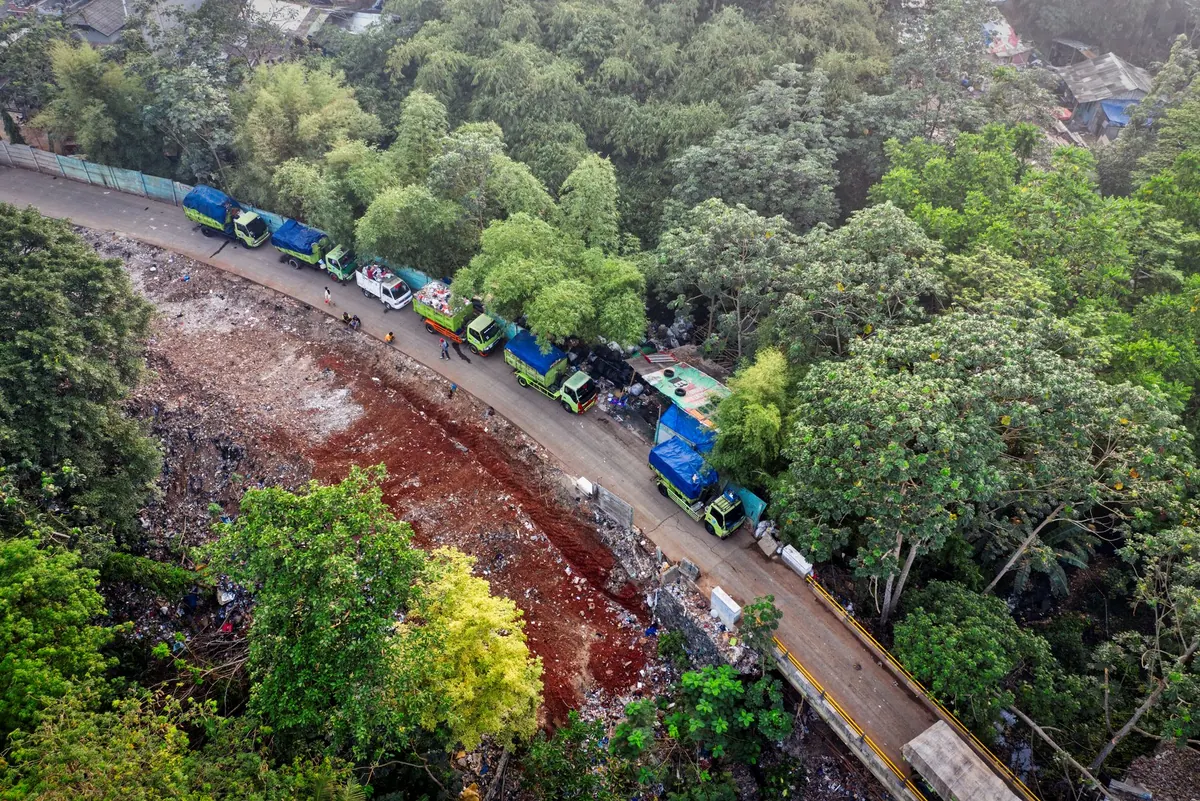
A collection truck is heavy before it picks up a single bag. Load it with a few tonnes of food scraps, wet cardboard and glass, then send it down every street on a fixed weekly timetable whether the bins need emptying or not, and you have one of the least efficient vehicles your city owns. Every stop costs fuel: brake, idle, lift, tip, accelerate. Hundreds of stops per shift add up fast.
Smart waste management starts with a blunt question: do we need to go there today? Two technologies answer it. Fill-level sensors report what is actually inside a container. Dynamic routing turns those reports into a route a driver can follow. Together they cut diesel, reduce complaints about overflowing bins, and make collection easier to explain to residents who wonder why the truck came down an empty street.
Most fill-level sensors sit inside the lid of a bin or container, pointing down. The common design uses ultrasound: the sensor sends a pulse, times how long the echo takes to return from the surface of the waste, and converts that into a percentage full. Radar and laser versions exist for dustier or colder conditions. Some units instead track weight, lid openings, or the angle of a container as it tips.
The sensor itself is the easy part. Power and connectivity are what decide whether a pilot survives. Battery-powered units that transmit a few times a day over a low-power network can run for years without a visit, which matters when you have thousands of bins and no appetite for changing batteries by hand. Containers that transmit constantly, or that sit underground where signal is weak, need a different plan.
A sensor measures distance to the surface of the waste, not what is in it or how heavy it is. A bin packed with flattened cardboard can read as full while weighing almost nothing. A bin two-thirds full of construction rubble is another story entirely. And a container that is 90 percent full of the wrong material is still a container that needs collecting, just not the way the schedule assumed.
Treat the reading as a signal, not a verdict. The number on a dashboard is not the same thing as waste that needs picking up.
Route software takes the readings and adds the constraints a driver already knows by heart: vehicle capacity, shift length, traffic, where the truck can legally stop, when the depot or transfer station is open, and which bins must be emptied regardless of fill level. Schools, hospitals, food markets and bin rooms next to restaurants usually fall into that last group.
In practice, most cities end up with three tiers rather than a single rule:
From there, the software groups the day's stops into the fewest sensible kilometres. Some fleets use split-body trucks so one pass can serve two or three material streams, though that only pays off when the rounds are dense enough to fill both compartments before the truck has to unload. A route that runs out of capacity two-thirds of the way through the list is worse than the fixed schedule it replaced.
The gains tend to show up in unglamorous places. Fewer stops per shift means less fuel burned per tonne collected, and less wear on brakes, clutches and suspension. Overflow complaints drop because bins that genuinely fill quickly get flagged before they spill, not a week later. Depots get a picture of which neighbourhoods need a second vehicle and which have been over-served for years.
There is a quieter benefit too: data you can defend. When a council argues about service levels, a map of real fill levels beats an anecdote about a street corner that always smells. And when a truck breaks down, the software can tell you which stops genuinely cannot wait.
Most failures are organisational, not technical. A city buys sensors, installs them, and changes nothing about how routes are planned, so the truck still drives the same round and the data just sits there. Or the project promises that sensors will stop bins overflowing, when the real cause is a bin that is too small for a block of flats.
Connectivity is the other common wall. Underground containers, thick concrete bin rooms and compactors eat radio signal, and retrofitting a gateway is a cost nobody budgeted for. Add battery replacement logistics, a flood of alerts that staff start ignoring, and procurement contracts that lock you into one vendor's format, and a promising pilot can quietly die.
One more thing worth saying plainly: sensors do not sort waste, and they do not reduce how much of it a city produces. They make collection smarter. Prevention is a separate project, and a harder one.
You do not need a city-wide deployment to learn whether this works. Instrument one district, run it alongside the existing schedule for a season, and watch three numbers: fuel used per tonne collected, overflow complaints, and missed stops. If those move in the right direction without service quality slipping, expand. If they do not, you have spent a modest amount to find out — and you will know exactly which part of the system to fix next.
Photo: Tom Fisk / Pexels
Previous Post
Smart Streetlights vs. Traditional Streetlights: Costs, Savings, and Safety
Next Post
7 Common Mistakes Cities Make When Deploying Public Wi-Fi